Yucatán Restoration
Protecting and regrowing the Mayan forests of the Yucatán Peninsula
€1.50 per tree


1,723,843 Trees
planted in the 2025 planting season
17,899,148 Trees
planted since 2015

51 Species
of native trees

Why
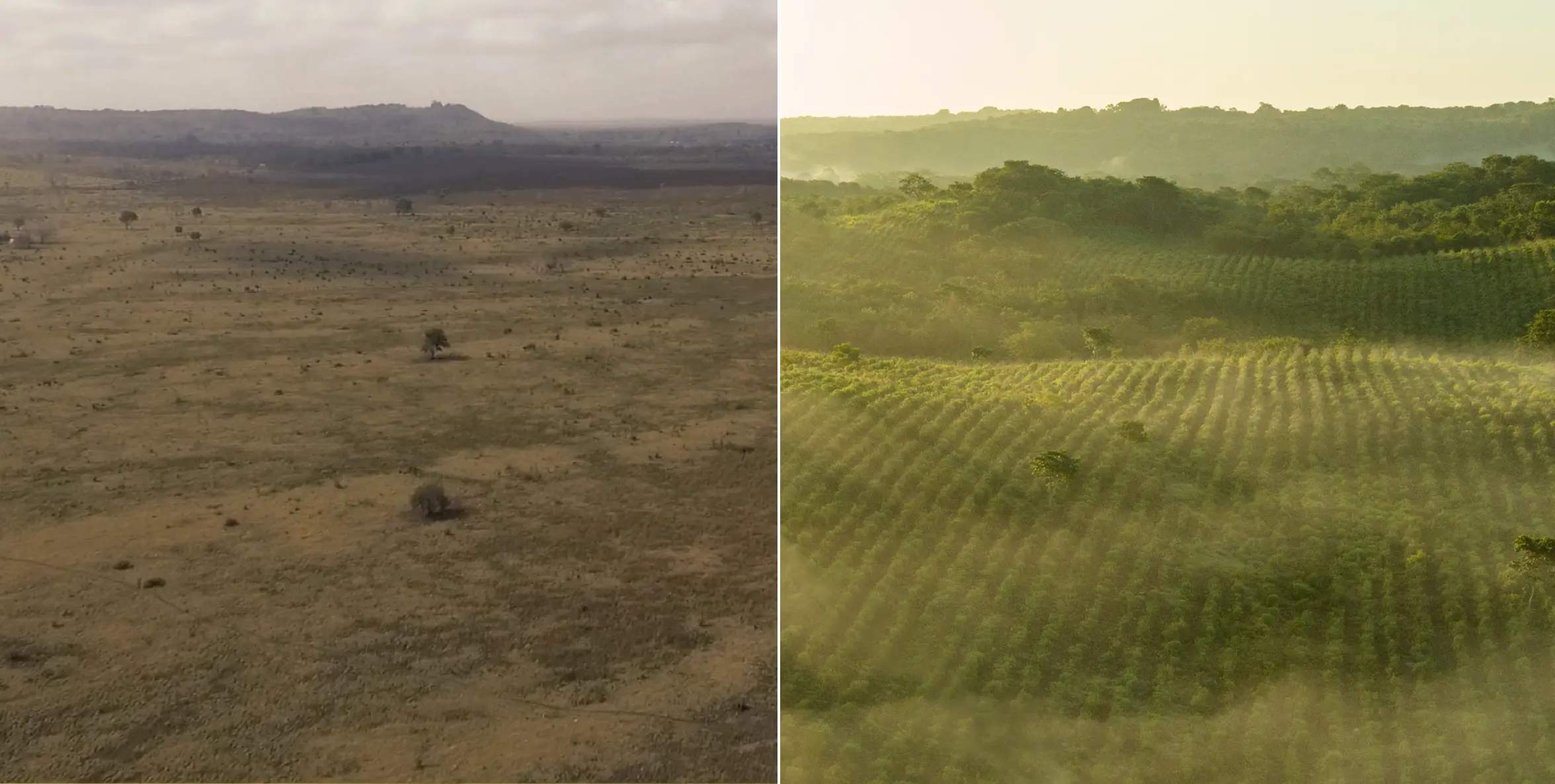
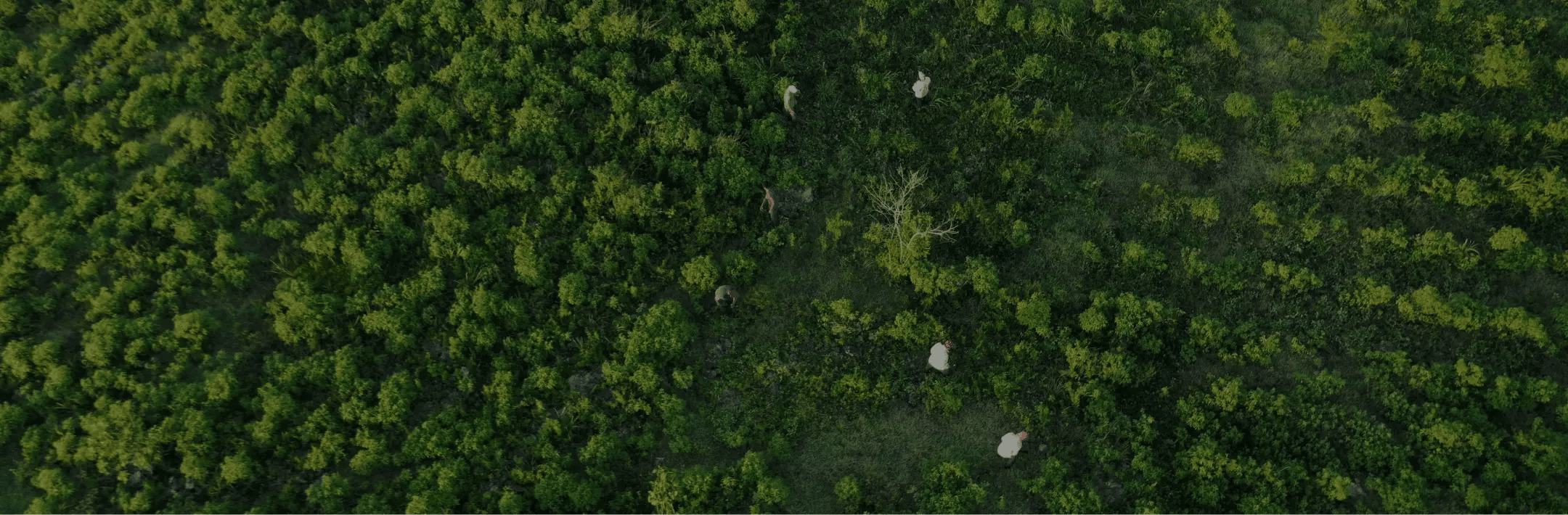
The forests of the Yucatán Peninsula are being rapidly destroyed. Since 2015, we have been working to restore and protect them. We do so by supporting the government in protecting its reserves, by restoring forests in and around the reserves on larger degraded areas and by supporting farmers in planting trees on their property.
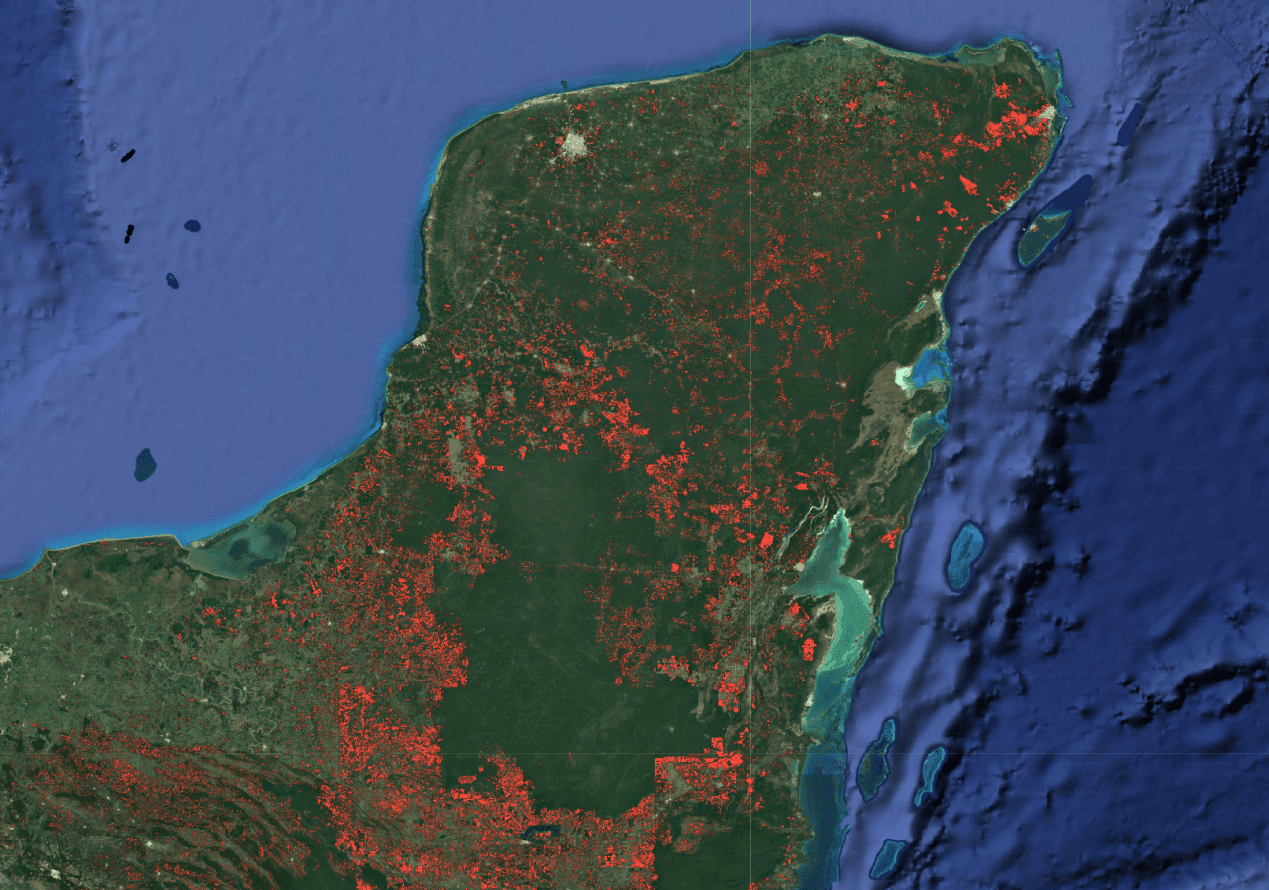
8.1% of Campeche’s forest has been lost between 2002 and 2023. We need to fight back.
How
How we restore forests
the seven steps from devastation to biodiversity
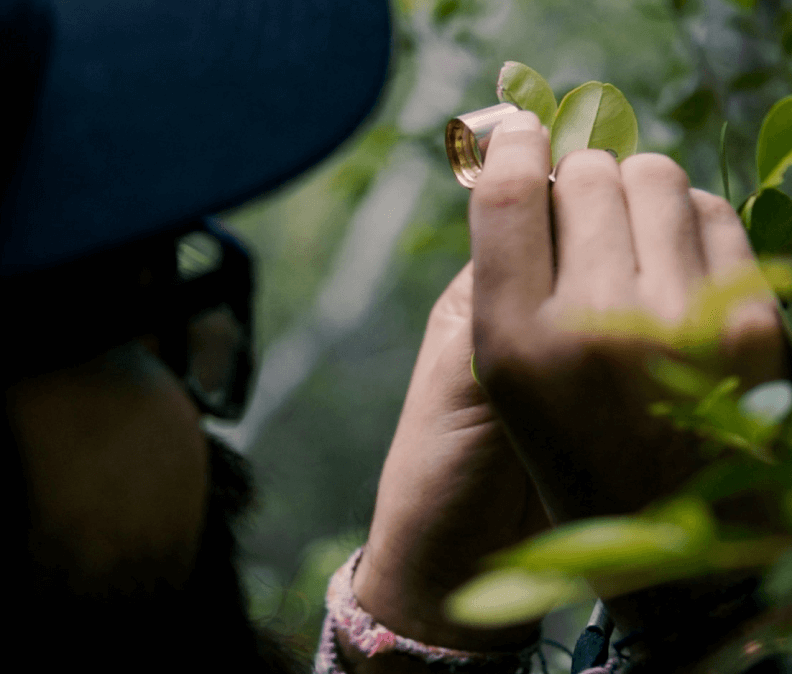
Analyse Sites
Our botanical team analyses the soil conditions, precipitation and species in the degraded areas and nearby sites to understand what needs to be planted to restore the lost forests.
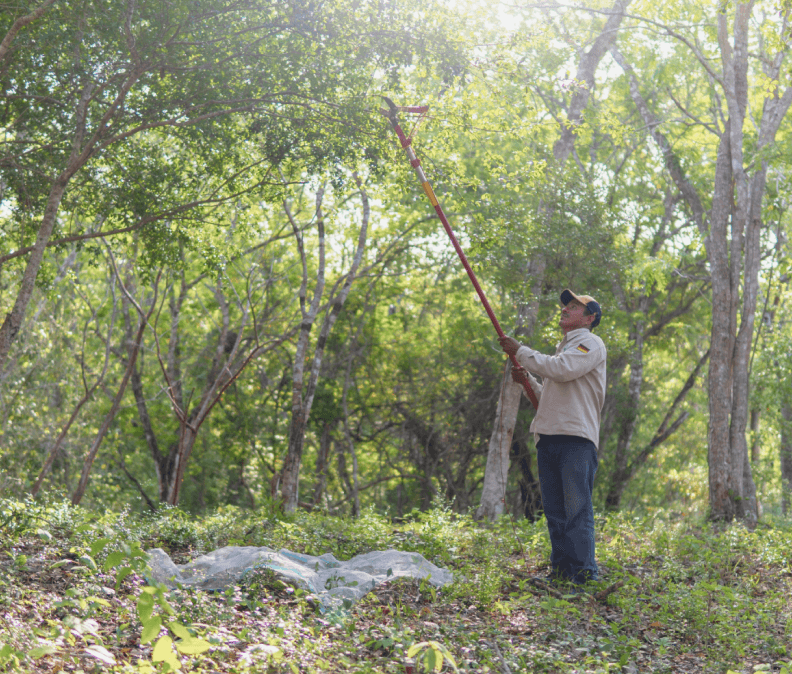
Collect Seeds
The seeds for many of the rarer species are gathered in nearby ecosystems by external collectors.
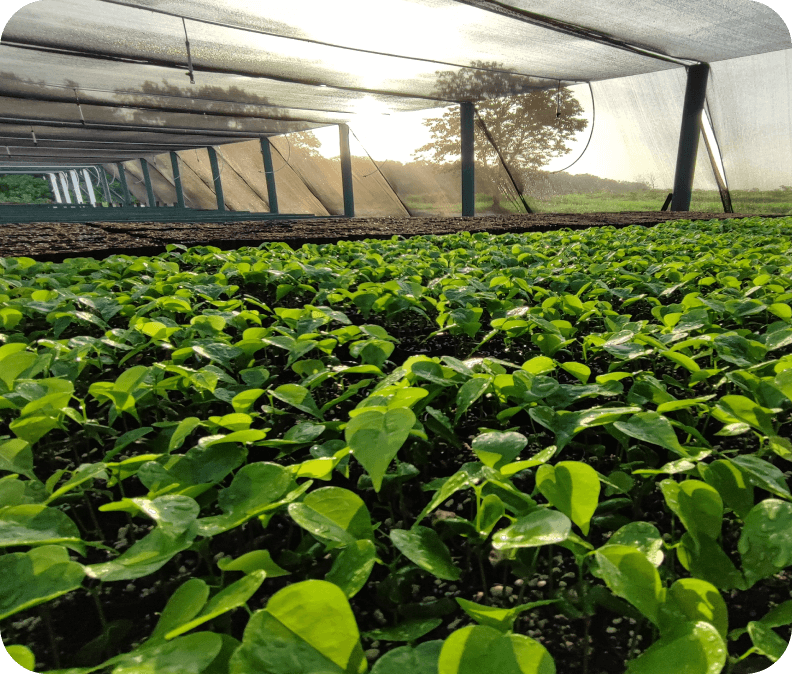
Grow Seedlings
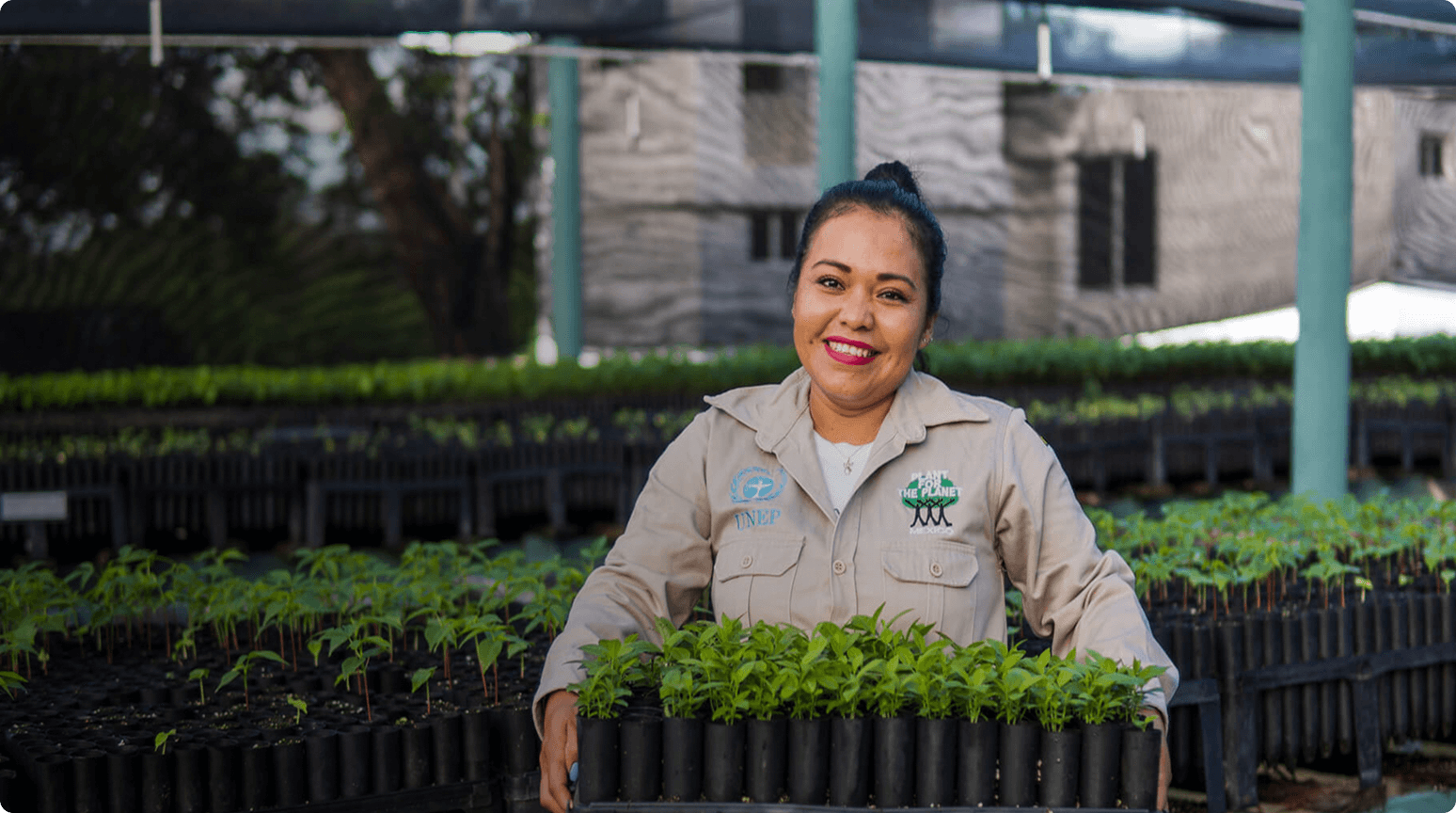
We work closely with a partner nursery in Chuina, Campeche, to grow all of the native tree seedlings we need.
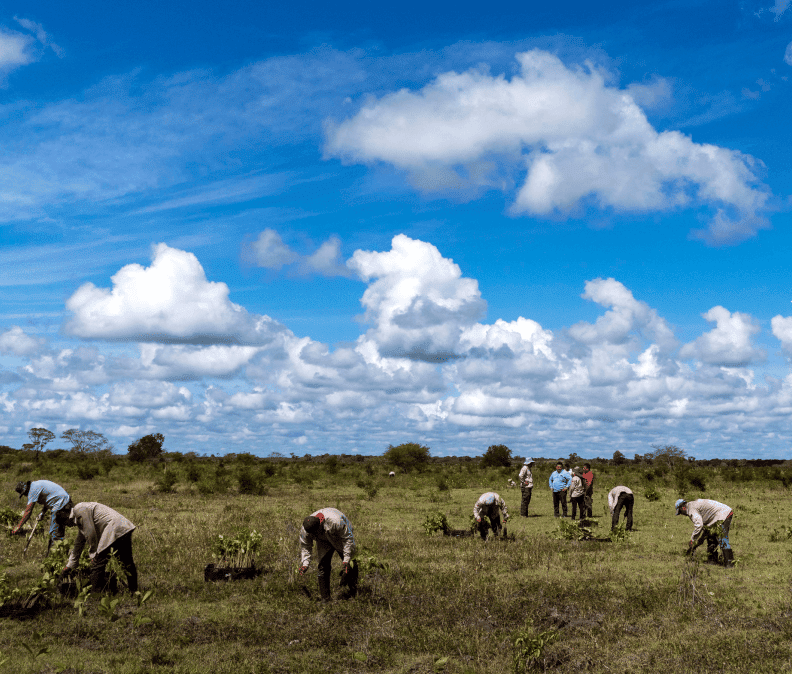
Prepare Sites
Before planting can begin, we remove grasses around the planting holes. To speed up the process, this is usually done by cutting lines with machetes.
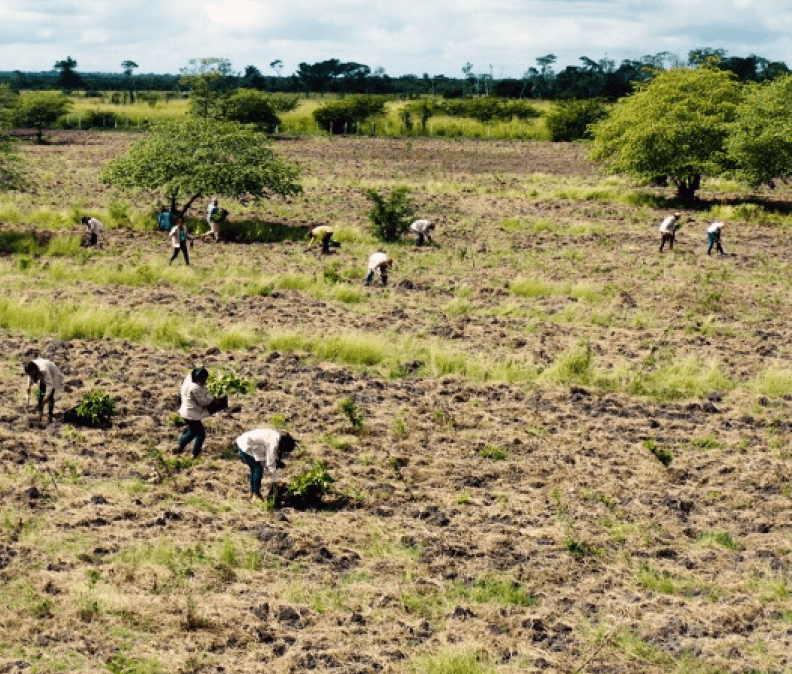
Plant Seedlings
The most likely moment for a seedling to die is in the process of being out planted. To increase their chance of survival, we only plant in the rainy season when there is sufficient water for the seedlings to establish themselves.
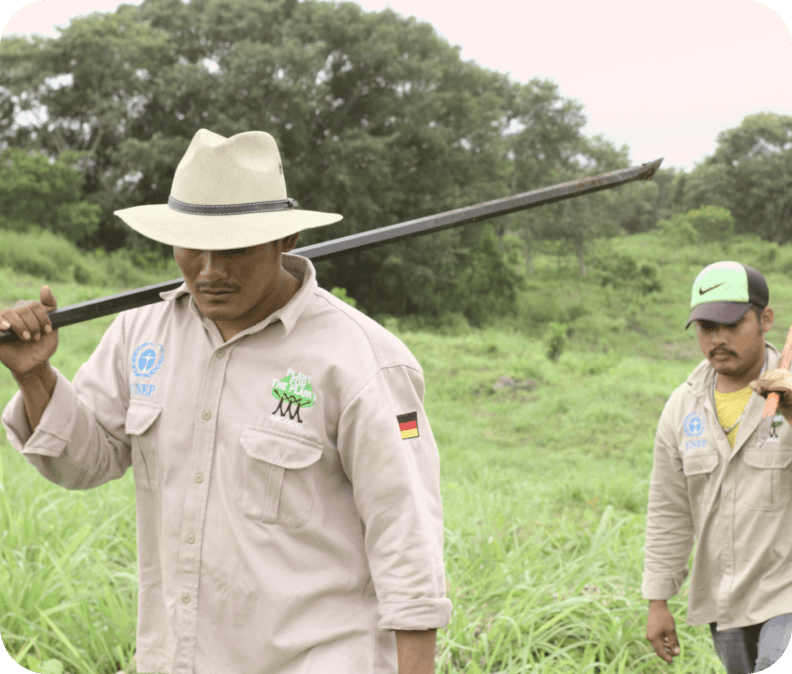
Protect Seedlings
Rapidly growing grasses endanger the seedlings in the early years by competing with them for water and sunlight. Depending on the size of the seedlings and the grass growth rate, we cut the grass around the seedlings to give them a better chance of surviving.
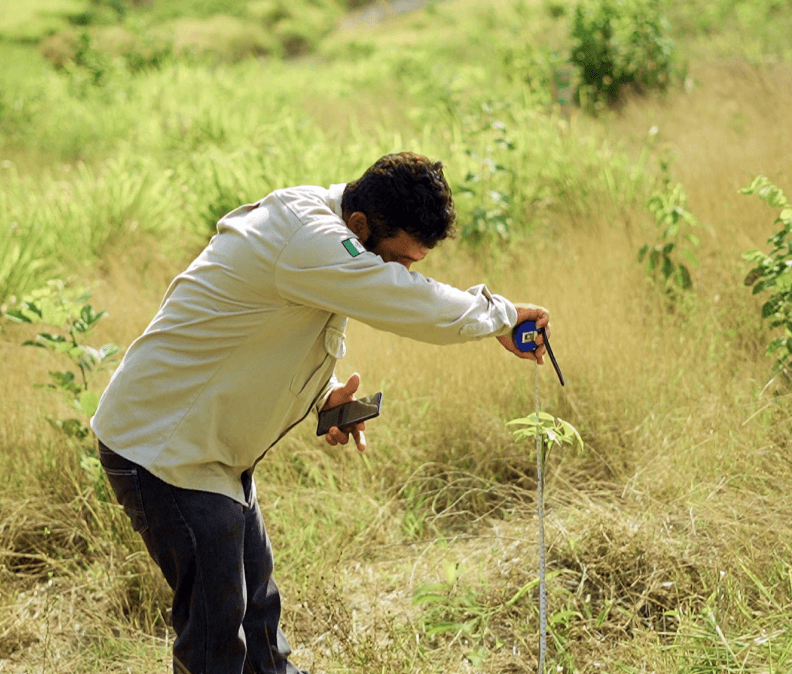
Monitor
Monitoring the planted seedlings and the ecosystem more generally is essential to learn from mistakes and to measure the impact of our work. The most important component is a set of distributed monitoring plots. A team of three collects data all year.
Two Approaches
Agroforestry & Landscape Restoration
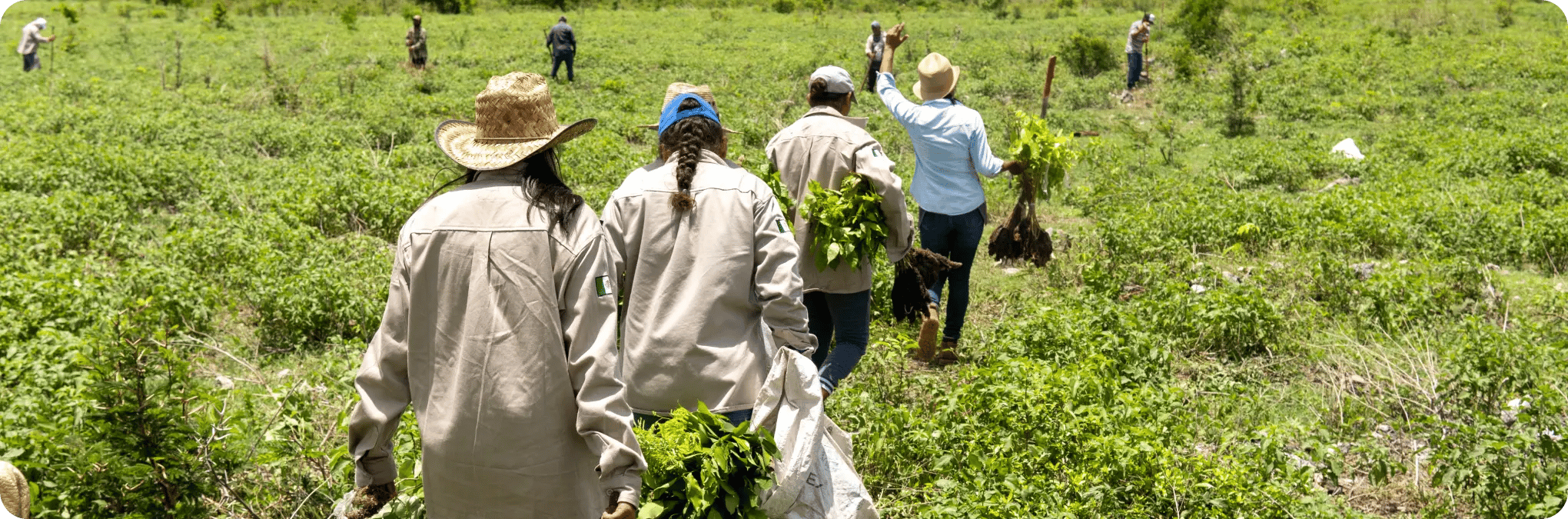
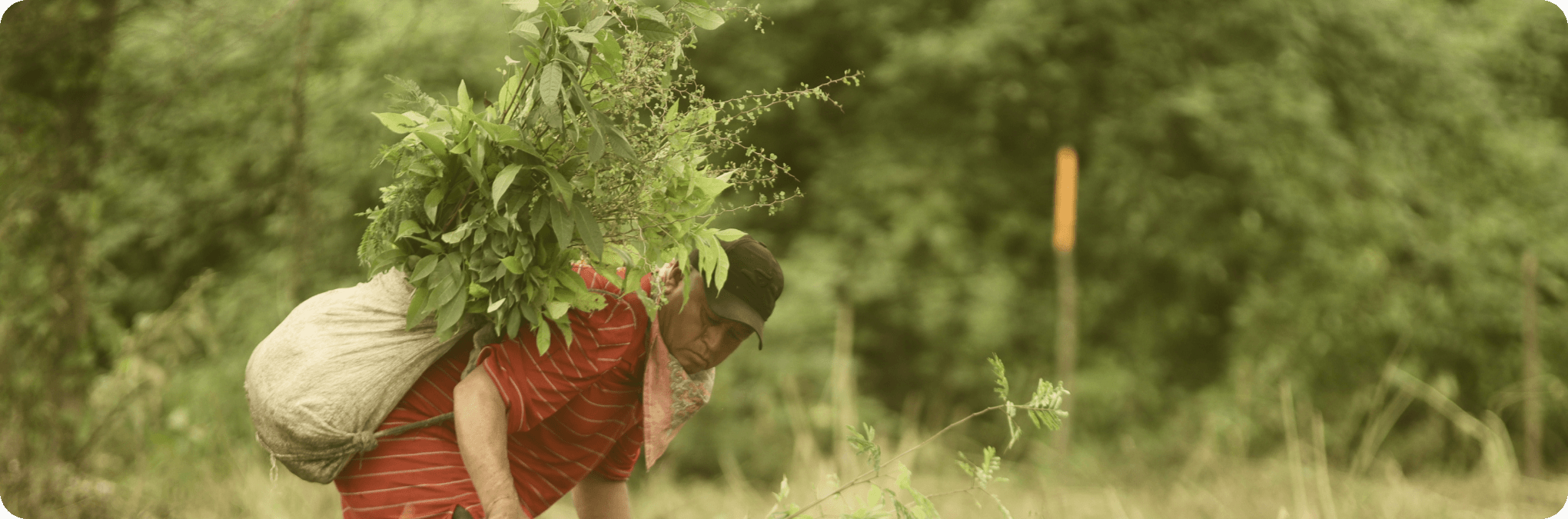
Most of our tree planting efforts focus on restoring larger swaths of degraded forest areas inside and near natural protected areas. However, in collaboration with the environment ministry of the government of Campeche, we also work with local farmers to support them in restoring their farmland by planting trees.
Balam Beh
Protecting Jaguars by Connecting Forests
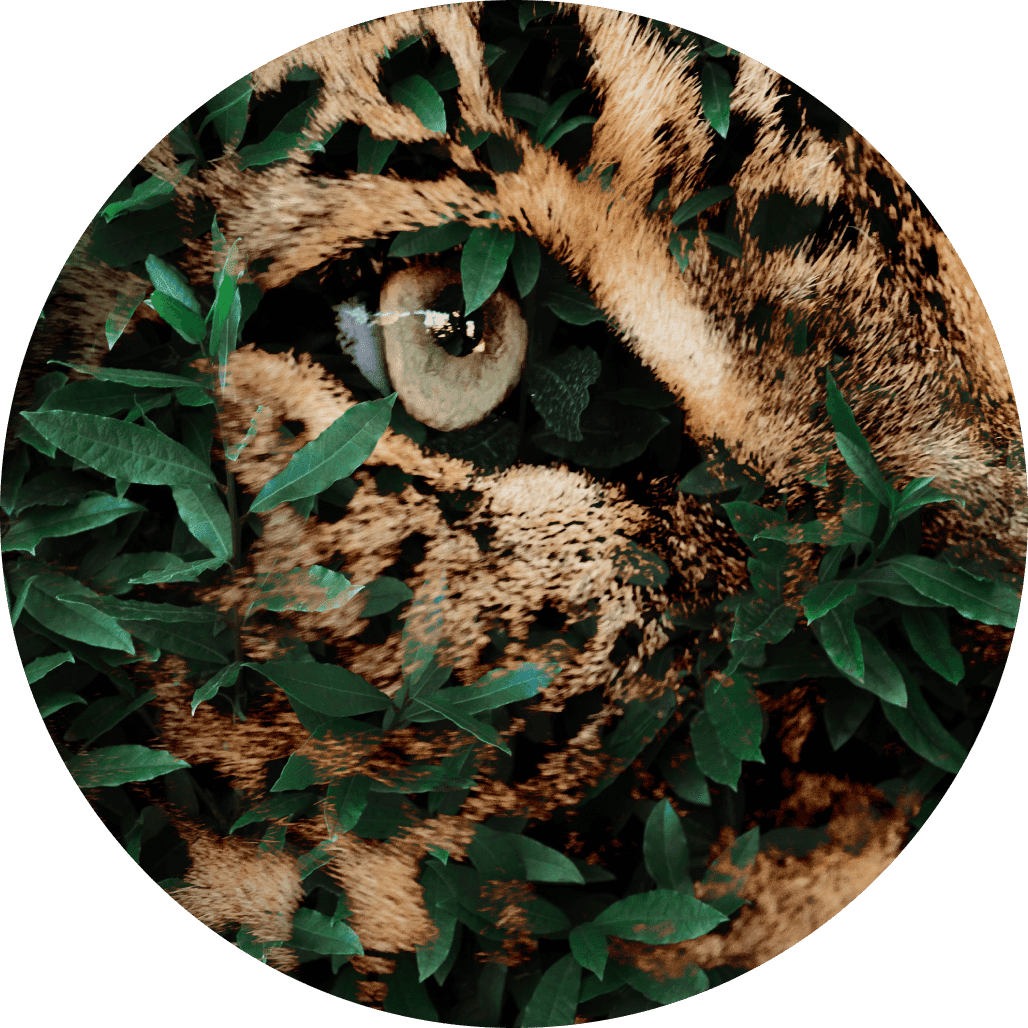
The forests of the Yucatán Peninsula are home to the largest jaguar population outside Brazil. But the fragmentation of the forests endangers the population. With our partners, we are working towards connecting the jaguar subpopulations.


Restoration Ecology Research Station
Our restoration work allows our in-house academic research team and visiting scholars to conduct large-scale field trials to test restoration methods.
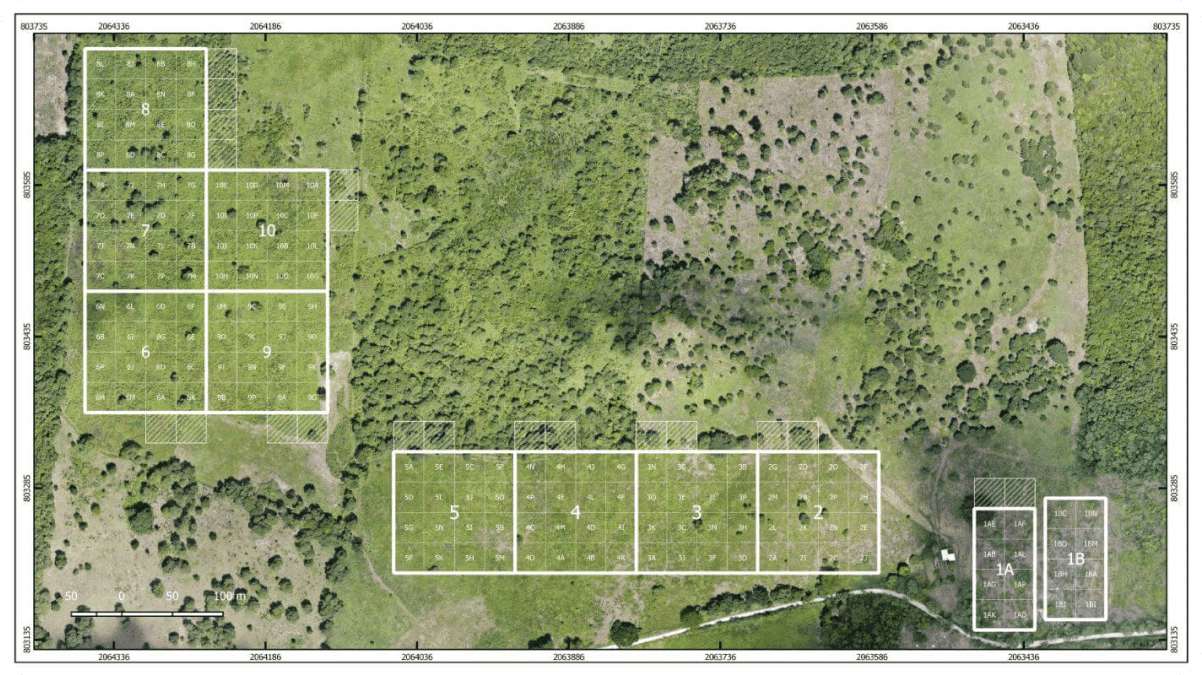
Map of the n-fixer optimisation field experiment in Las Americas 5 with 16,000 seedlings in a randomised block design.
Semi-evergreen Tropical Forest
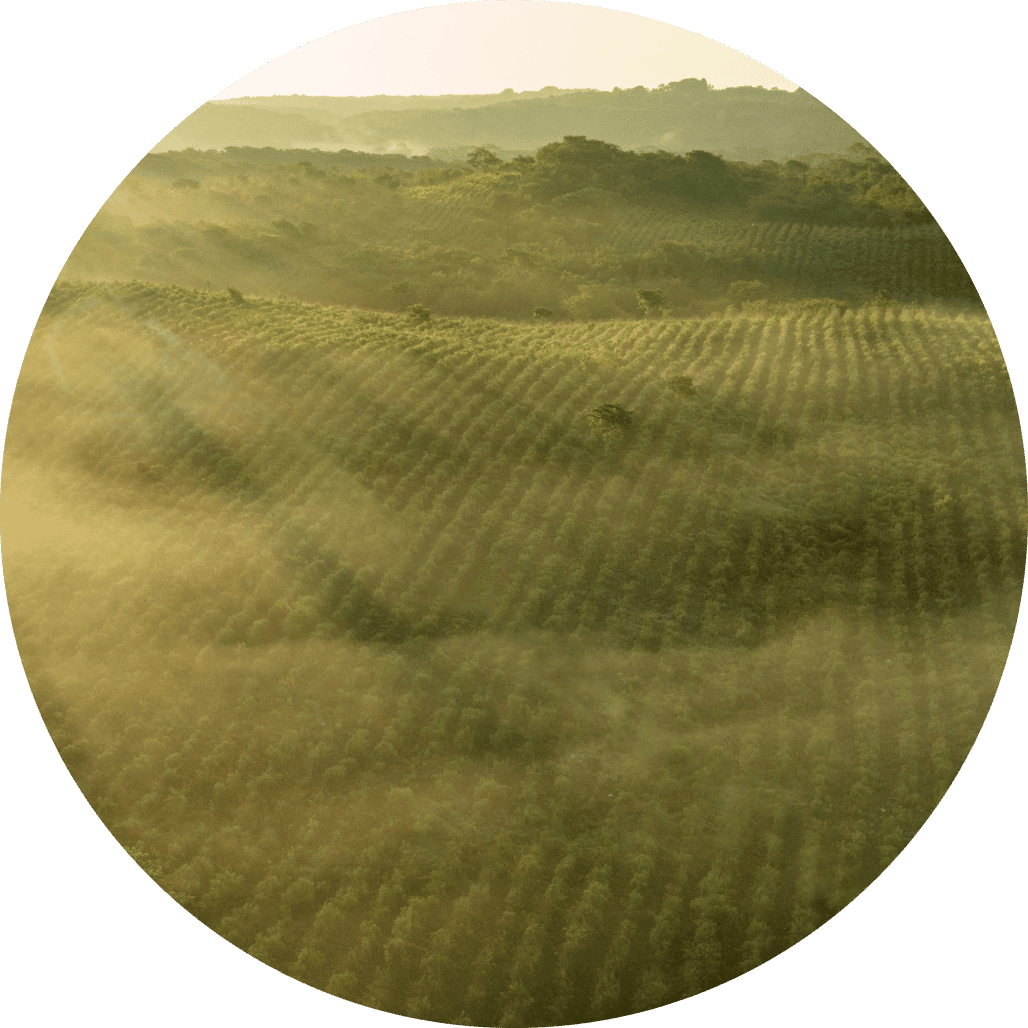
We aim to restore a seasonal semi-evergreen tropical forest. Unlike the wetter forests we imagine when we think of the tropics, these forests have 4–6 month long dry seasons where only little rain falls. Where we work, 25–50% of the trees drop their leaves during that time because they are water stressed.
A Biodiversity Hotspot
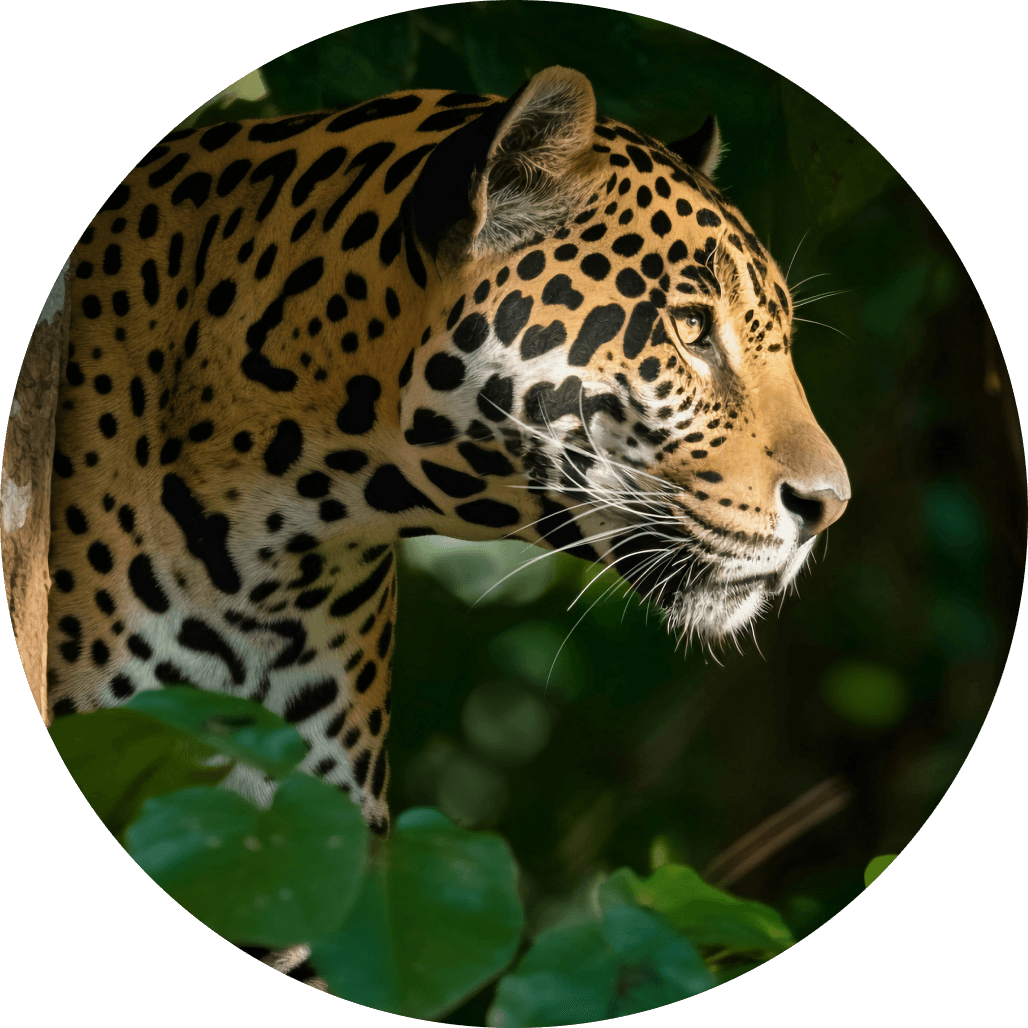
Restoring this ecosystem is not just important for plants, but also the animals. In Campeche, jaguars and tapirs are in danger of extinction because of deforestation, habitat fragmentation and incidental deaths by human encounters.
In our sites, we often wake up to the sound of howler monkeys near the camp and see box turtles while planting. So far, only Nicolas, Juan and Jose have seen Jaguars.
51 Tree Species
One Ecosystem
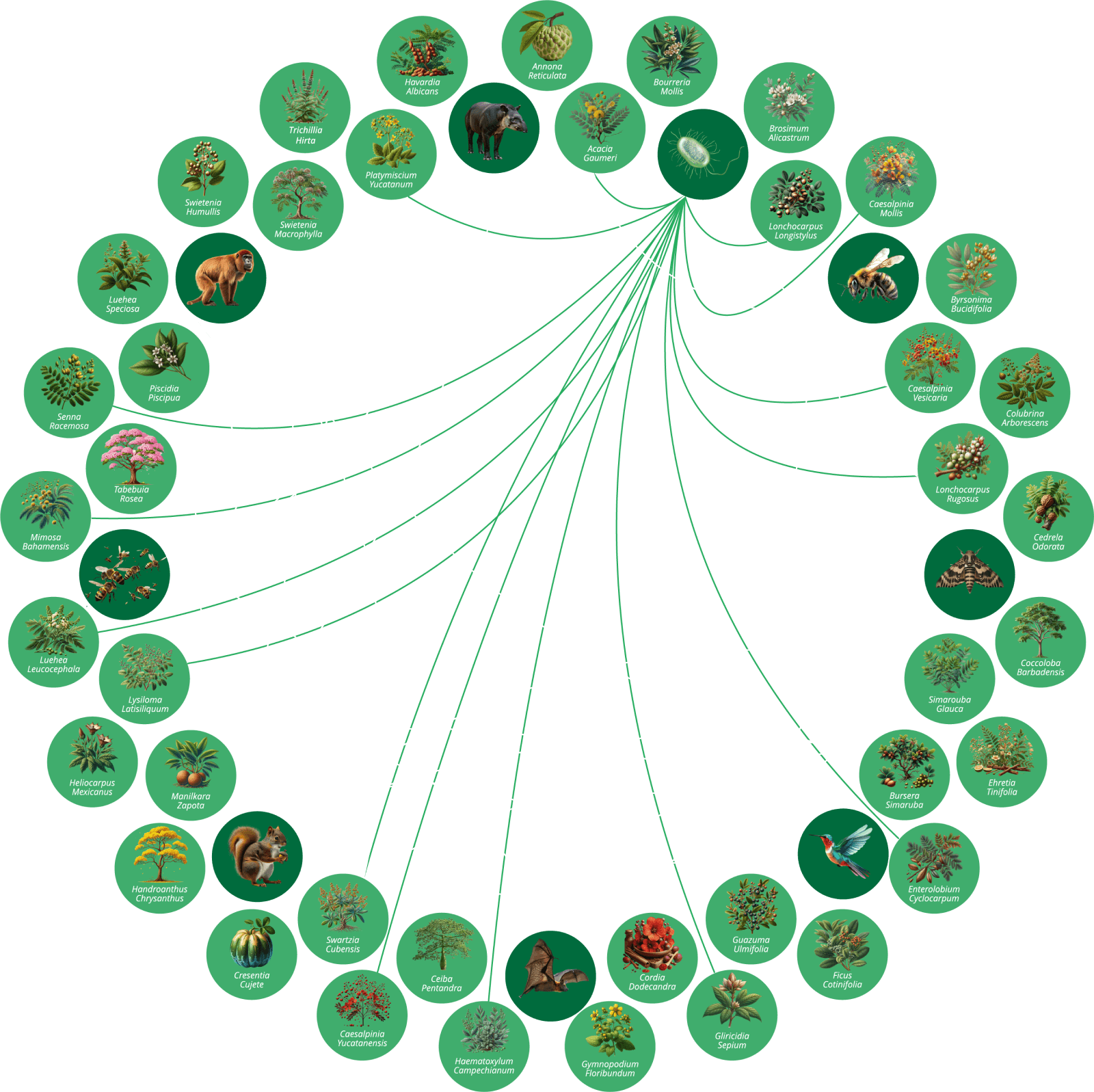
We want to restore these forests to capture carbon and to protect the local biodiversity of plant, animal, fungal and other species. We are continually increasing the number of species we plant. This includes many early successional species for our restoration in formerly pasture sites and dense wood species in our enrichment planting work.
- Acacia gaumeri/Senegalia gaumeri (Catzín negro)
- Bourreria mollis (Laurel)
- Brosimum alicastrum (Ramón)
- Bucida buceras (Pucté)
- Byrsonima bucidifolia (Sacpa)
- Caesalpinia mollis (Chacté viga)
- Caesalpinia yucatanensis (Ya'ax kin ché)
- Cenostigma gaumeri (Kitinche)
- Chloroleucon mangense (Verde lucero)
- Coccoloba barbadensis (Boob)
- Colubrina arborescens (Tatúan)
- Diospyros tetrasperma (Silil)
- Ehretia tinifolia (Roble)
- Enterolobium cyclocarpum (Pich)
- Ficus cotinifolia (Alamo)
- Gliricidia sepium (Madre cacao)
- Gymnopodium floribundum (Dzizilche)
- Handroanthus chrysanthus (Mauche)
- Heliocarpus mexicanus (Mahahua)
- Leucaena leucocephala (Waaxim)
- Lonchocarpus rugosus (Kanasin)
- Luehea speciosa (K'aan kaat)
- Lysiloma latisiliquum (Tzalam)
- Melicoccus bijugatus (Waya)
- Mimosa bahamensis (Katzin blanco)
- Piscidia piscipula (Jabin)
- Platymiscium yucatanum (Granadillo)
- Sapindus saponaria (Jaboncillo)
- Senna racemosa (Káan jabin)
- Sideroxylon palmeri (Tempesquite)
- Simarouba glauca (Pasaak)
- Swartzia cubensis (Katalox)
- Swietenia humilis (Caobilla)
- Swietenia macrophylla (Caoba)
- Tabebuia rosea (Maculis)
- Tabebuia donnell-smithii (Primavera)
- Terminalia oblonga (Palo volador)
- Trichilia hirta (Cabo de hacha)
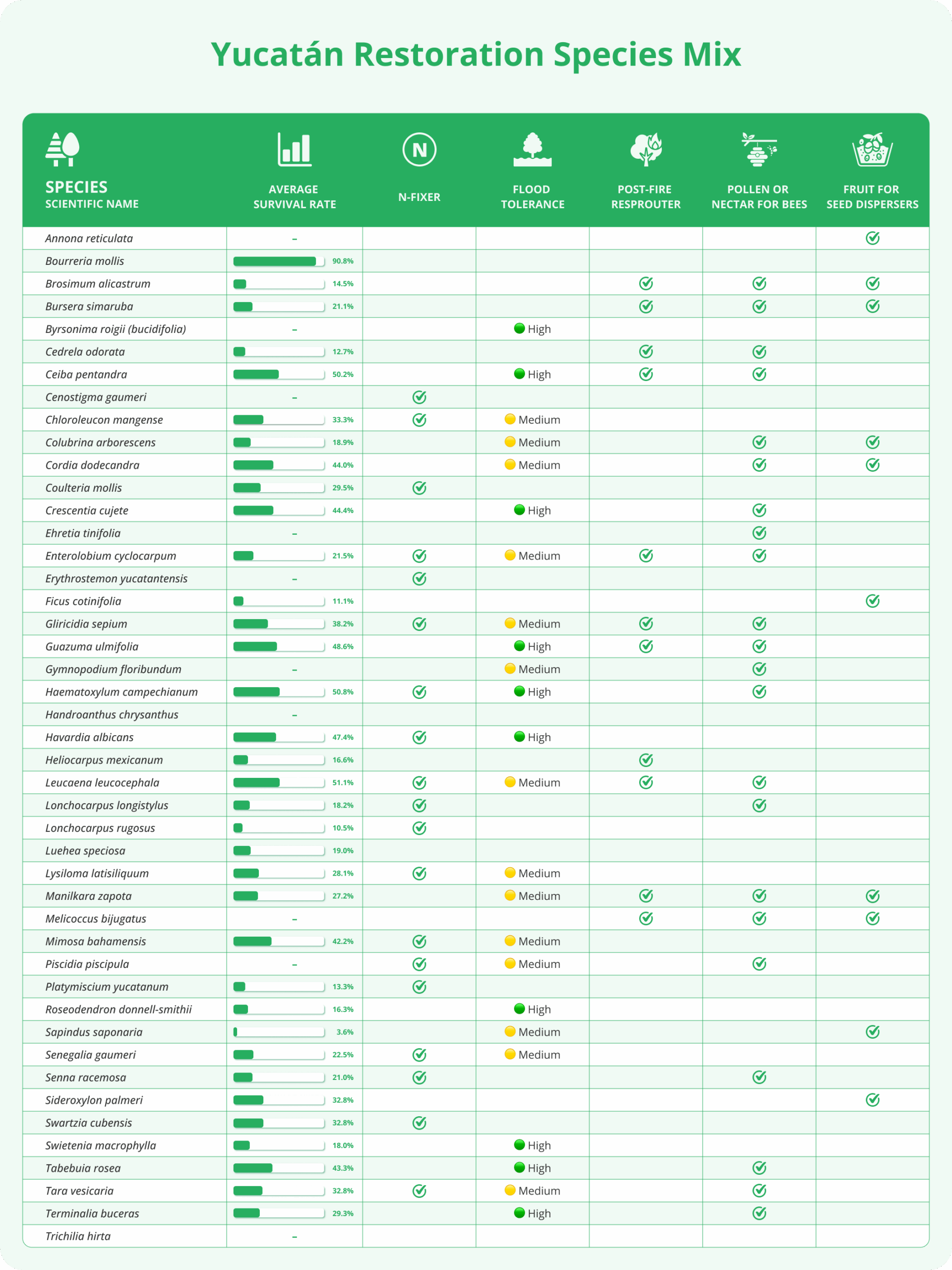
Every one of these species makes an important contribution to the restoration of a healthy forest ecosystem. See the table below for more info:
Project Data
Trees Planted
In 2024, we planted 1,746,074 trees between the 18th of July and the 5th of December.
When we plant or pause is dictated by the rain. Our teams usually work 10.5 days straight before an extended weekend. Planting took place between the 2nd of August and the 22nd of December. In 2023 we planted 2,288,521 trees.
When we plant or pause is dictated by the rain. Our teams usually work 10.5 days straight before an extended weekend. Planting took place between the 3rd of June and the 13th of December. In 2022 we planted 2,386,462 trees.
In 2021, we planted a total of 1,665,383 trees.
Watch our Progress
Planting sites are registered daily with TreeMapper, a free forest monitoring app we built.
Survival Rates
We monitor tree survival through a series of monitoring plots since 2021. Our research efforts look at how different restoration methods may increase survival rates and growth rates.
What Affects Survival?
Survival rates vary widely and depend on species planted, soil type, soil quality, ecosystem degradation, rainfall patterns and other factors. We prioritize biodiversity over maximizing survival and increase planting density in degraded areas to support long-term forest development.
Measured Survival Rates
One-year survival rates by planting year for Las Americas & INIFAP Bacalar sites
- 2021: 0.1% – 79%
- 2022: 30% (0%*) – 64%
- 2023: 10% (0%*) – 73%
- 2024: 10% – 33%
*Monitoring plots affected by fires resulted in 0% survival; lower-bound values exclude fire-affected areas.
Restoration Incidents
Managing environmental incidents, like flooding and fires are an important part of our work. In the interest of transparency, we are logging all such incidents.
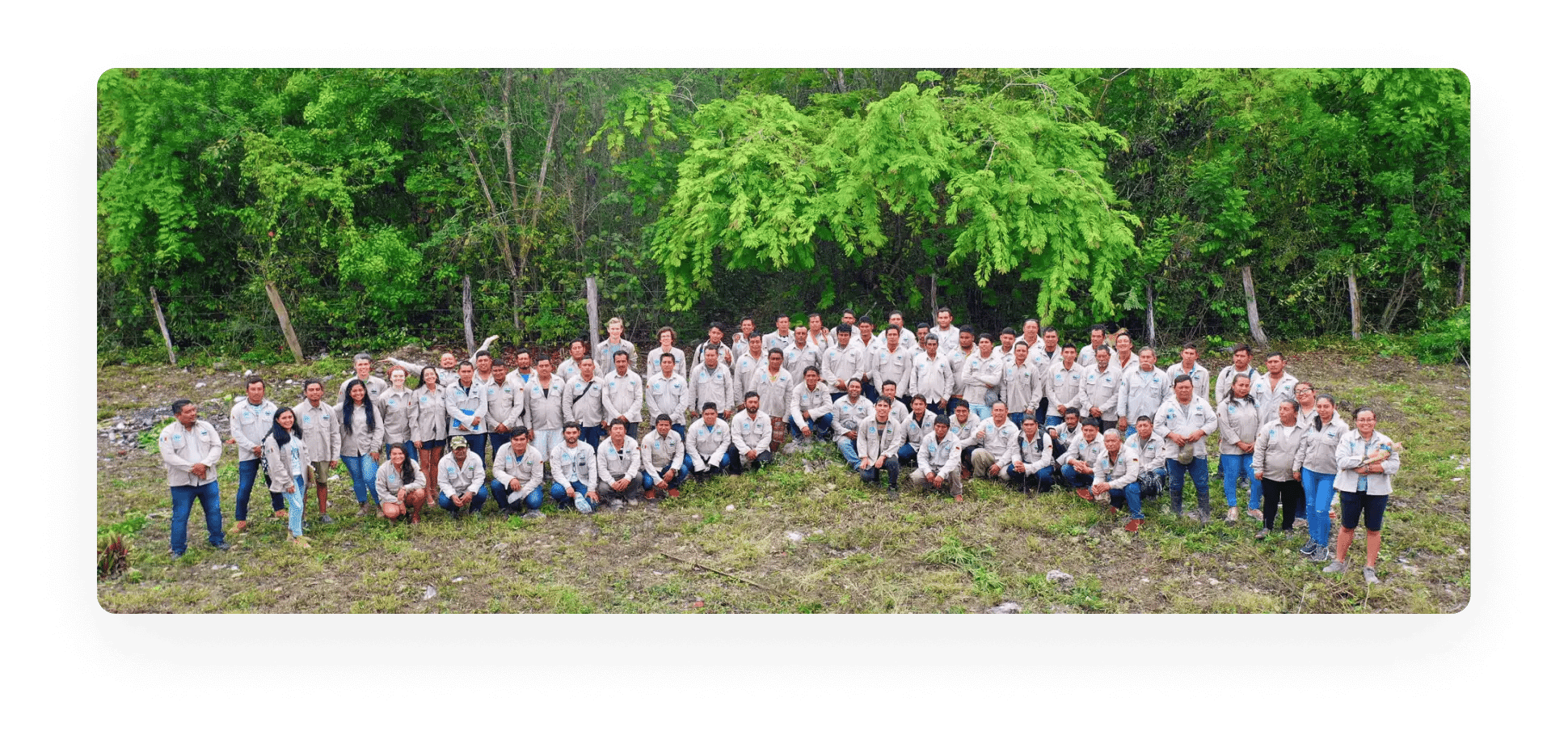
Our Team
Advisory Board
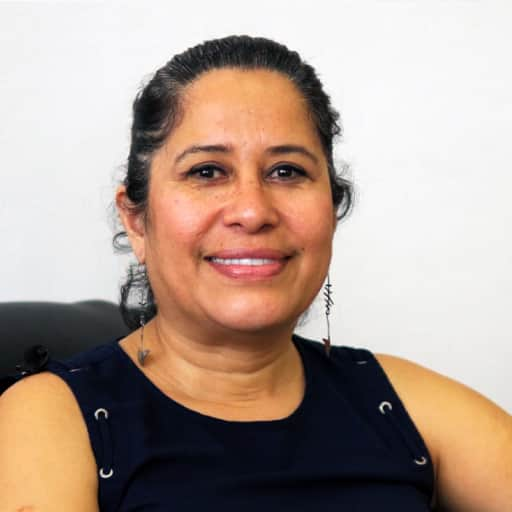
Dr. Sandra Laffon Leal
Rector, University of Campeche, Former Minister of the Environment Campeche
- DR
Dr. Ruben Dario Gongora
Director INIFAP Quintana Roo
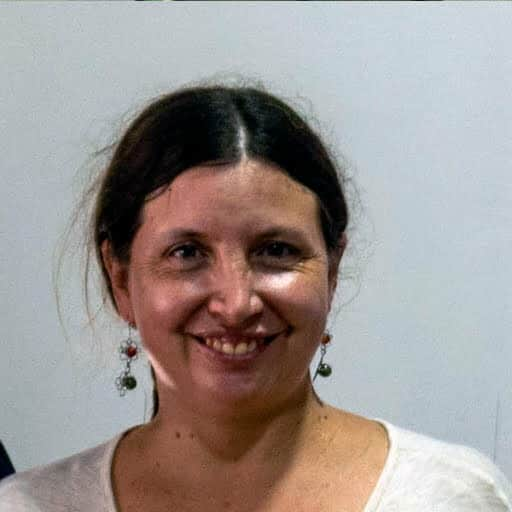
Jocelyn Duran
Director, Environment Ministry of Campeche
Miguel Arcos
Mayor of Constitución
Andres Cruz Zamudio
Rector Universidad Tecnológica de Calakmul
Dr. Mircea Hidalgo
Wildlife Biologist Juárez Autonomous University of Tabasco

Behind the Scenes
Tour our campus in Constitución, Campeche
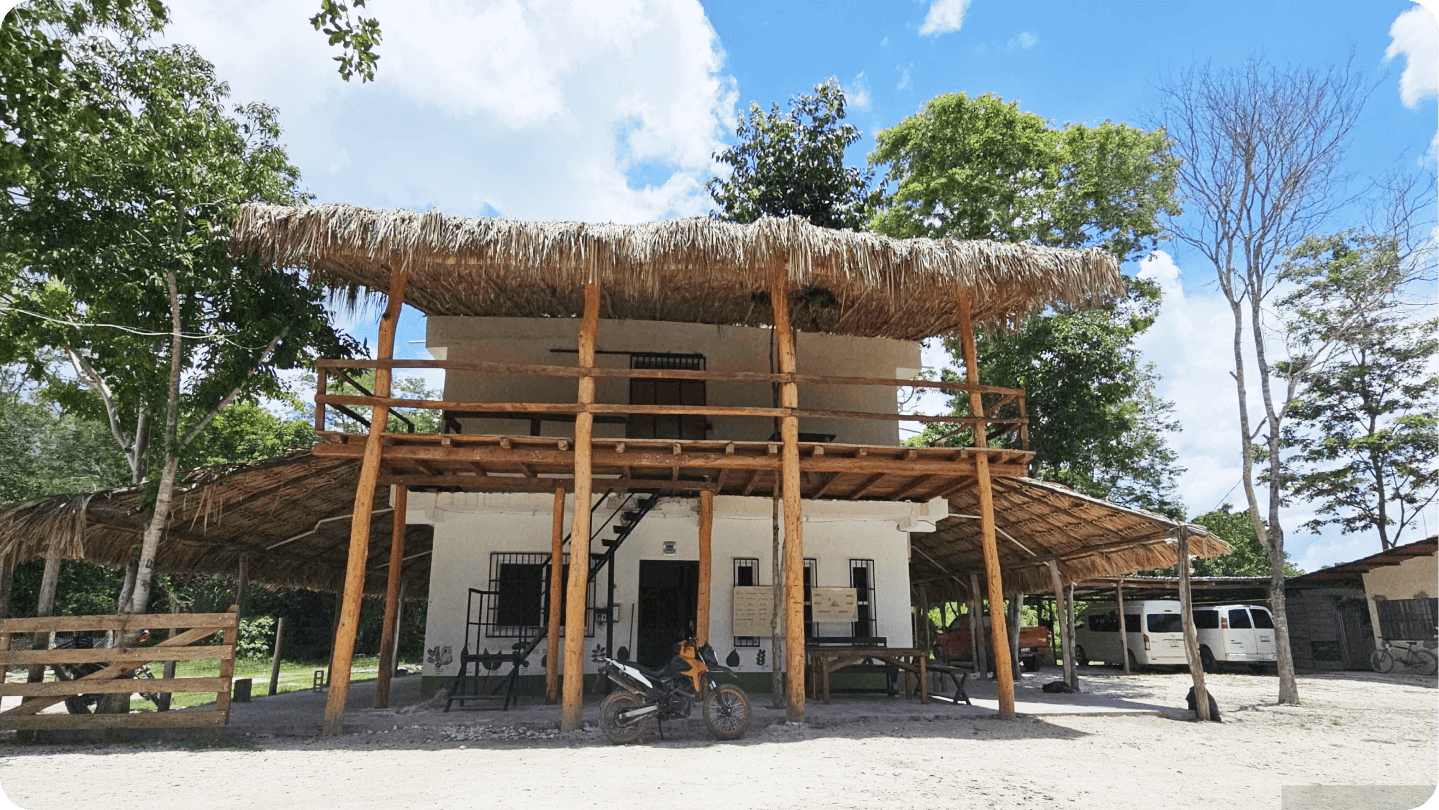
Our team of ecologists plans and manages our ecosystem restoration and conservation from our office in the village of Constitución, Campeche. It is the closest village to our project sites and home to many of our team members.
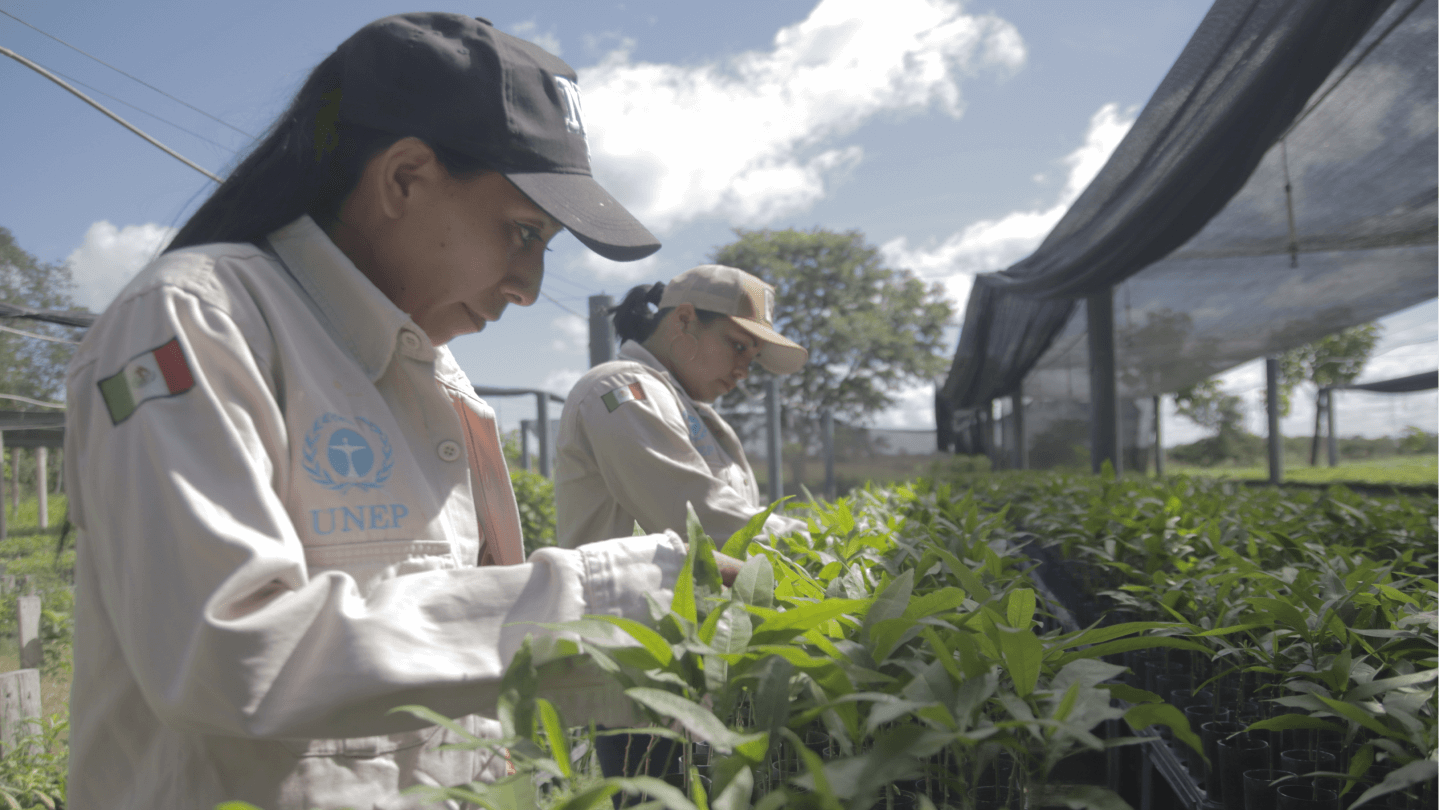
Sideroxylon palmeri seedlings growing in the research nursery in Constitución, Campeche
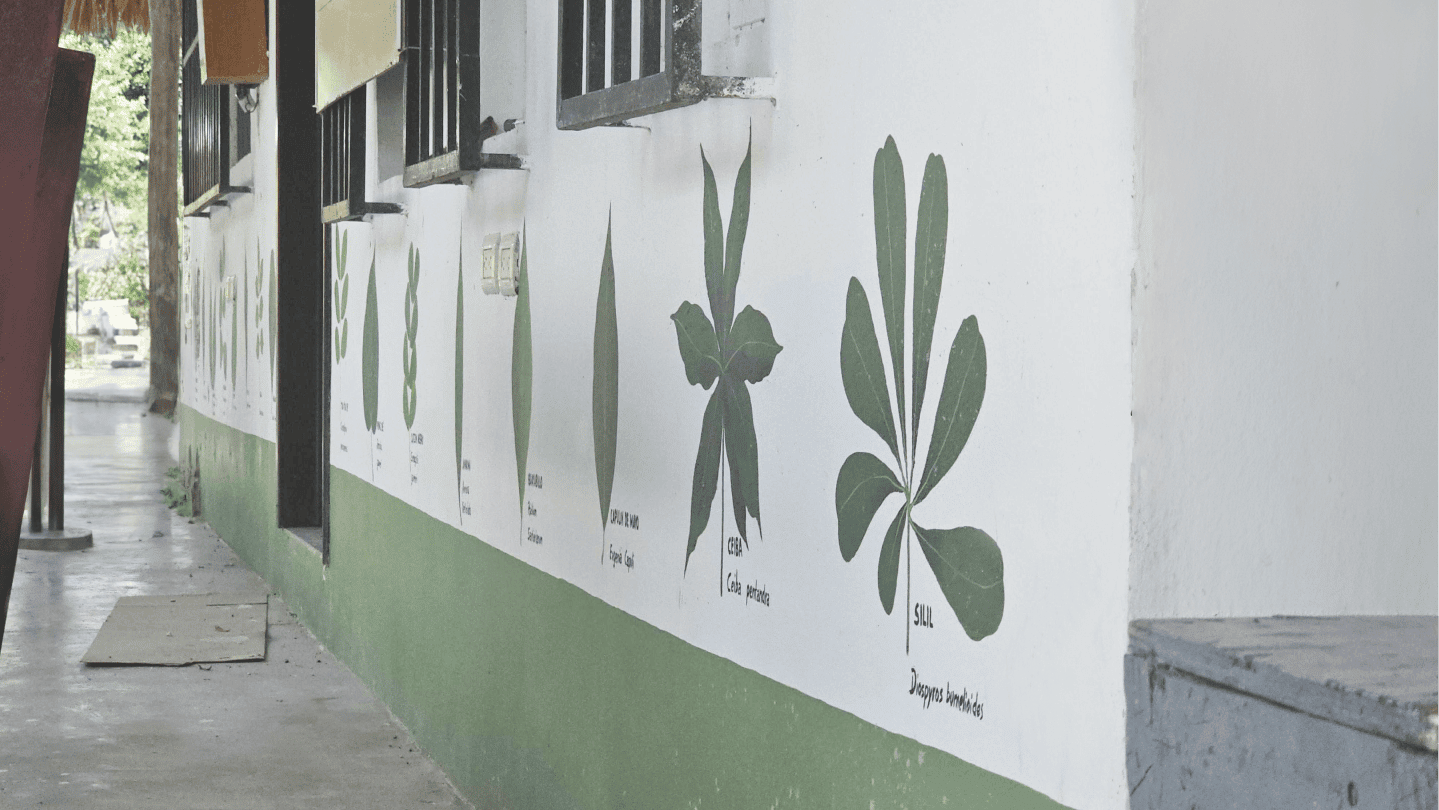
The species planted are painted on our office wall by a local artist to help the team learn and identify our species.
Program Partners
Our work is possible thanks to the close collaboration of the government and local research institutions.